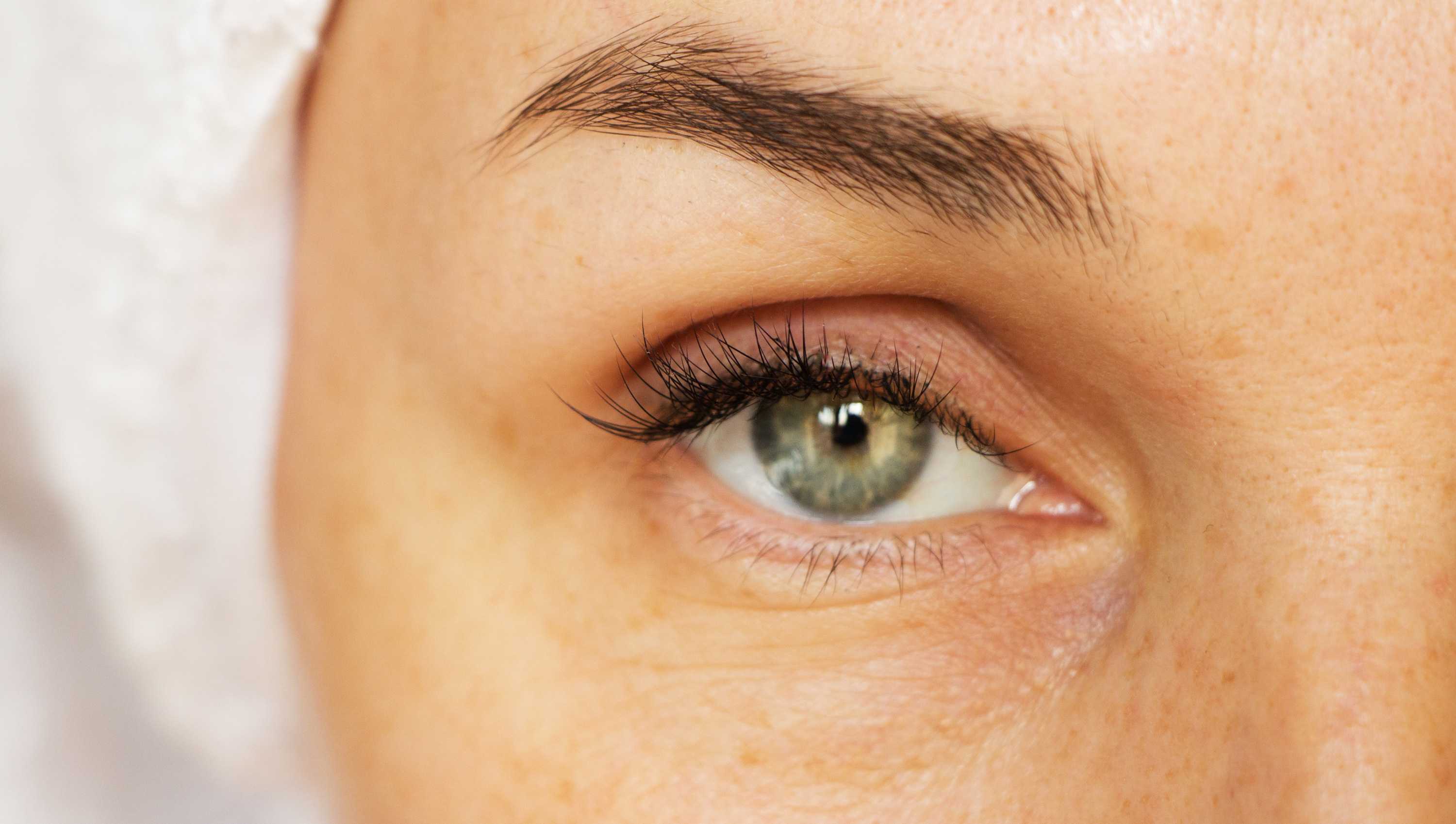
While a hyaluronic acid injection can also achieve a natural and significant result in reducing hollow under-eye circles, only lipofilling delivers a result that lasts over time, since the fat cells are self-grafted and remain alive.
The goal of lipofilling for hollow under-eye circles (or lipofilling of hollow circles) is to restore the fat pad naturally present against the orbital bone. Through an injection of fat previously harvested from the patient, lipofilling fills the hollow under-eye circles caused by tissue loss around the orbicularis muscle.
In the case of under-eye circles, a micro-lipofilling technique is used, as the cannulas have diameters smaller than 1 mm.
In summary: Micro-lipofilling of under-eye circles
- Indication: Filling hollow under-eye circles by restoring the fat pad along the orbital bone.
- Result: Immediate, but hidden by recovery for a few days. Final after 3 months.
- Anesthesia: Often general, so as not to be hindered by the volumes
- Pain: 2 to 3/10
- Scars: None. Only some redness, sometimes bruising in the following days.
- Recovery: Between 5 and 15 days if bruising occurs
- Return to sport: 2-3 weeks after the procedure
- Duration of the procedure: 30 minutes – 1 hour
- Hospitalization: Outpatient
Principle of micro-lipofilling for under-eye circles
Lipofilling (also called "lipostructure") is a technique that re-injects autologous fat, meaning it uses the patient's own fat. It is sometimes referred to as an autograft.
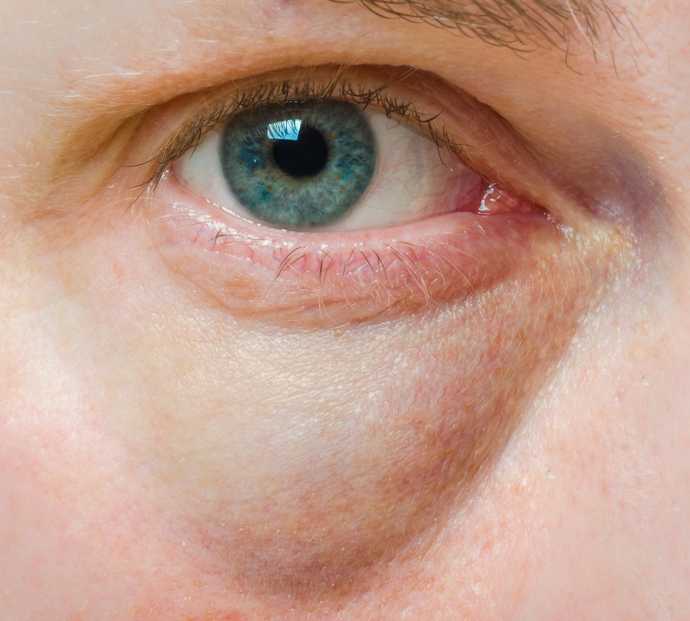
What are hollow circles?
Under-eye circle lipofilling is indicated for patients who wish to correct the appearance of their hollow circles.
These hollow circles are directly caused by the effects of aging on facial tissues. With age, the loss of fat and muscle volume around the eyes leads to a loss of volume as well as a shift of fatty tissue from the lower eye-socket rim toward the cheekbones. This fat then forms a half-circle groove under the eye, which can be more or less extensive.
Harvesting
The surgeon begins by identifying the fat harvesting areas as well as the reinjection sites.
Fat cells are then harvested through a micro-incision using a fine suction cannula. The fat cells are taken from a discreet area of the body where there is a reserve, or even an excess, of fat cells (generally the abdomen, knees, inner thighs, or "saddlebags"). Lipofilling can be combined with liposuction in the same operative session (especially for larger volumes, such as in breast lipofilling or buttock lipofilling).
The harvested fat then undergoes a few minutes of centrifugation to separate the cells to be grafted (intact fat cells) from the elements that should not be grafted (fat cells destroyed during harvesting, non-fat cells such as blood cells).
Reinjection
The fat is then reinjected using micro-cannulas smaller than 1 mm through needle-sized holes.
In the case of under-eye circle lipofilling, the fat is injected directly against the orbital bone, so as to recreate the fat pad normally present there. This helps prevent the injected fat from being visible through the skin.
The injections are performed in different planes and multiple directions so as to increase the contact surface between the grafted fat cells and the recipient (or nourishing) tissues, allowing for good graft take.
Recovery after under-eye circle lipofilling
Under-eye circle lipofilling is generally performed under general anesthesia (local anesthesia hinders visibility of the hollows and can affect the viability of the grafted cells) and on an outpatient basis (leaving the clinic the same day as the procedure).
The duration of a lipofilling procedure can vary depending on the amount of fat to be injected and the number of areas treated. For a lipofilling procedure to fill under-eye circles or the periorbital area, or the whole face, the procedure generally lasts between 30 and 60 minutes.
Pain
Postoperative pain following under-eye circle lipofilling is moderate in most cases (0 to 1/10).
Side effects of under-eye circle lipofilling
It is normal for edema to appear within 48 hours after the procedure. This will fully resolve within 5 to 15 days following the procedure.
Bruising appears at the harvesting sites and, more rarely, at the reinjection sites. These bruises fade within 5 to 21 days. They can be covered with makeup starting the day after the procedure.
Smoking increases the risk of surgical complications in any type of surgery. Stopping smoking 6-8 weeks before the procedure eliminates this additional risk. If you smoke, talk to your doctor, surgeon and anesthesiologist, or call a smoking cessation helpline to help reduce risks and give yourself the best chances.
Results of under-eye circle micro-lipofilling
Right after the procedure, it is possible to get a first idea of the result. However, edema and bruising will quickly appear and will partially hide the result. After a few days, the result can be appreciated, even though it cannot be considered final until after 3 months.
How the result evolves:
The grafted fat cells remain alive for as long as the tissues in which they were grafted. There can be a loss of 10 to 30% of the reinjected fat volume. The surgeon takes this phenomenon into account when assessing the amount of fat cells to graft. A second lipofilling session may sometimes be considered to achieve the desired contour (rare in the case of under-eye circle treatment).
Possible risks:
Performed by an experienced surgeon, this procedure carries little risk. However, an asymmetry in the result as well as skin irregularity are possible. A touch-up lipofilling procedure may then be needed.
For which type of patient?
Any patient who wishes to fill hollow under-eye circles can undergo under-eye circle lipofilling. There are no specific contraindications for this treatment.
While micro-lipofilling of under-eye circles carries little risk, it should be considered a genuine surgical procedure, performed in a clinic with outpatient hospitalization. A hyaluronic acid injection is a fully effective alternative in aesthetic medicine for filling hollow under-eye circles, which can be performed directly at the medical practice.
Unlike a treatment of under-eye circles with hyaluronic acid injections, under-eye circle micro-lipofilling should be considered to achieve a long-lasting result.
Generally speaking, if filling under-eye circles is the only concern you wish to treat, a hyaluronic acid injection appears to be a suitable solution. On the other hand, if you wish to treat other signs of facial aging in the same operative session, hollow under-eye circle lipofilling can be combined with other surgical procedures (LVPA facelift, blepharoplasty) during the same session. Under-eye circle lipofilling can also be combined with liposuction (abdomen, saddlebags, etc.).
During a face diagnostic consultation, the different treatment options for hollow under-eye circles will be presented to you based on your expectations and your tissue characteristics.
